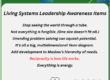


“… relationship conflict is generally bad for performance, but some task conflict can be beneficial: it’s been linked to higher creativity and smarter choices.”*
Task conflict is productive because the collective cognitive and passion energies of your team, division, or organization are focused (as the name indicates) on the task, mission, or purpose.
Relationship conflict is often counterproductive because the cognitive and passion energies of your people are spent monitoring or mitigating immaturities, fears, projections, mis-apperceptions, and interpersonal conflicts.
If your meetings are boring, if there is too much back-channel and political maneuvering, if your team or organization avoids controversial topics that are crucial to your success, if you consistently fail to tap into the opinions and perspectives of team members,** then your greatest resource—the cognitive and emotional energies of your people—are probably being derailed or drained by relational conflict.
Competent leadership starts when we can access Self-Authoring sense making. Socialized or Instrumental Self-Sovereign sense making often leads to unnecessary relational conflict.
Fern EPC trends physicians and executives toward higher levels of Adaptive Development.
___________________________
* Grant, Adam, Think Again, Penguin Books, 2021.
** From Patrick Lencioni, Five Dysfunctions of a Team, a leadership fable, Jossey-Bass.