
Enantiodromia

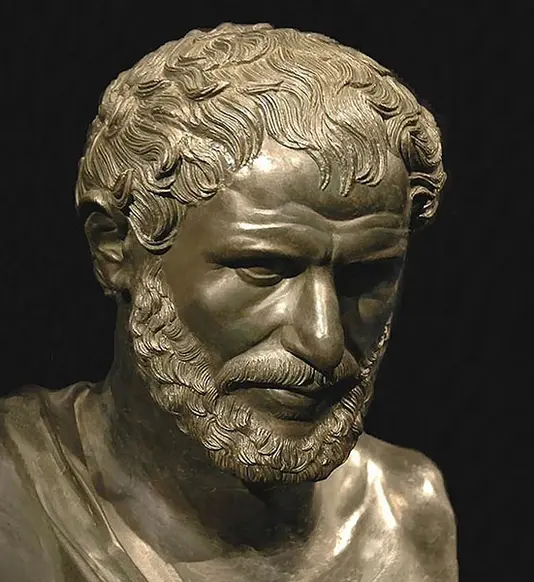
Enantiodromia is a concept introduced by the Greek philosopher Heraclitus and later used by Carl Jung. It describes a truth many physicians and healthcare executives know all too well: When something is pushed to an extreme, it eventually turns into its opposite to restore balance. The relentlessly composed executive, for example, who eventually becomes reactive.…

Not Everything Directed at You is About You.

One of the most important leadership disciplines is learning not to personalize conflict, disagreement, or other difficult interactions. It takes leadership maturity and agility to keep your feet on the ground when someone is hitting their stuff. People are under pressure, teams are stressed, people project their issues, and systems are complex and often ambiguous.…

Adaptive Development is Essential

Physicians and many executives throw themselves at decades of technical development. This often leads to neglected adaptive capacities. The Rub: the adaptive capacities are essential to function in complex environments and for competent leadership. Fear-based avoidance thinking and behavior, power struggles, unnecessary conflict, burnout, and worse. Our organizational clients understand the need to development their…

Maps of the Mind

Collectively, the following four archetypes symbolize how humans organize thoughts, feelings, relationships, memories, and more.* We can use them to map the mind, essentially. Each archetype has its positive and negative expression. Benevolent leaders nurture the positive expressions of these archetypes in themselves and in the people they lead. The King-Queen Archetype The King or…